
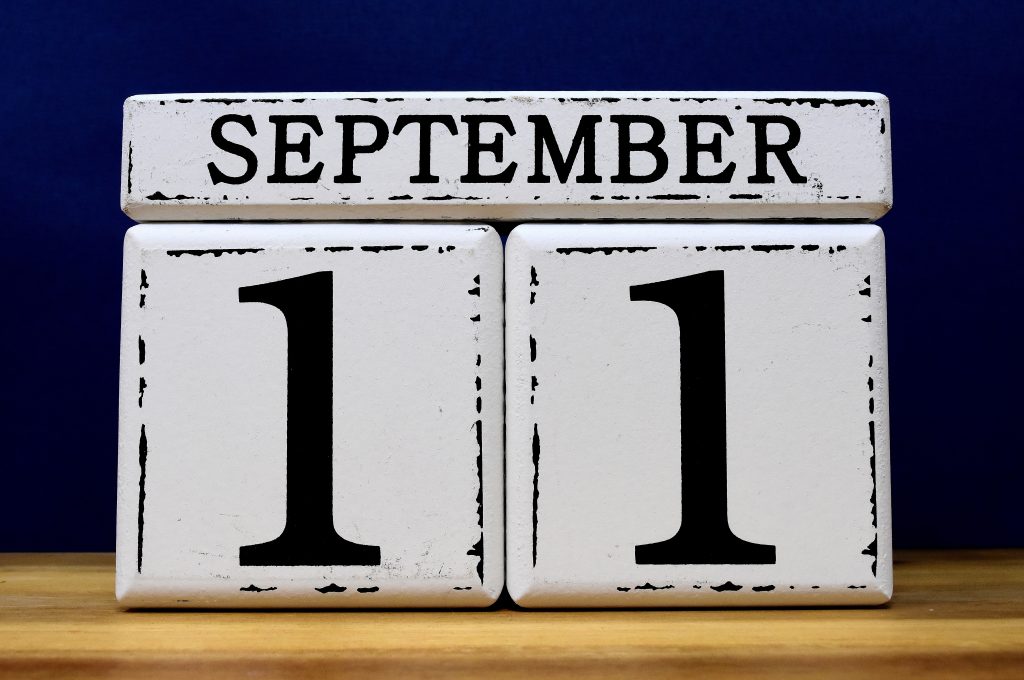
This 9/11 it’s been 25 years since our country was shocked and attacked to its very core. Two thirds of Americans still remembers where they were on that sunny Tuesday morning. I remember it like it was yesterday.
At the time, I had started working at a nonprofit agency after 7 years of managing a large recurring donor program, active in 5 countries. Mind you, this was in the days of mail and phone. Some nonprofits were starting to use face-to-face sustainer acquisition, and some were testing direct response television. Email and online giving did not exist, nor did smart phones nor texting!
All of a sudden huge areas in New York City and Washington DC did not have mail delivery. With limited transportation options, much had to be put on hold.
At the time, most nonprofits decided to halt direct mail for months, in busy fundraising season. They took a major hit.
But those organizations that had started building a recurring donor program in the 90’s were sitting pretty. They saw donations coming in without fail. This caused them to invest in monthly giving even more than before because they saw the tremendous power of that sustainable revenue coming in!
Even if they had doubts before, this totally changed their mindset, and many became sustainer-first or sustainer-most.
As you probably know, in my years since then, I’ve made it my legacy to educate nonprofits about the value of recurring giving.
Thousands of blogs, webinars and in-person presentations, two books and a number of e-books later, I can say that I’m finally starting to see the mindset shift of leadership of those nonprofits that were not convinced yet.
Of course, one of the biggest changes in these 25 years was the introduction of the internet, online giving and email communications along with mobile phones. You can now literally donate on the beach, in the woods, or anywhere else in the world, in seconds.
But did you know that online giving forms and donor base CRMs didn’t start adding recurring giving options until about 2013? Donor Perfect and Neon One saw the potential of recurring giving early and often. For example, DP educated their clients through the Monthly Giving Starter Kit and Monthly Giving Marketing Kit, in collaboration with yours truly in 2015.
But most payment platforms really only emerged in the past 6 to 8 years! If 9/11 wasn’t enough, the COVID-19 pandemic convinced organizations further.
The good news is that recurring giving IS growing, but still not to the point where it could be. More research emerges demonstrating that the sector is leaving significant opportunity on the table, upwards of $20 billion a year, according to Giving Tuesday data.
And even with the world getting smaller than ever before, for some reason US nonprofits tend to think that what works elsewhere may not work here. I’ve personally seen this myth be unproven time and time again.
It’s remarkable how slow growth has been since the number of tools and channels to ask a donor to consider making a recurring gift are endless. Online forms. Welcome emails. Text messages. Digital ads. Social Media. Artificial Intelligence to help nonprofits with selections and find the best ask amount.
Younger consultants like Dave Raley of the Center for Sustainable Giving looks at trends in subscription giving and retention and Dana Snyder of Positive Equation offer modern channels like Slack and AI built tools to help change the mindset of ‘stragglers’ to turn them into ‘Believers.’
These are extremely exciting times.
Even as I’m in the process of semi-retiring, no worries. I’ll continue to learn and work in the background and focus on How-To’s, Stewardship and Retention Audits. And of course, as an international consultant, I’ll continue to keep an eye on what’s happening in other countries that could eventually make its way here. Let’s face it, recurring giving has been around in many other countries for much longer than the US.
So, what are some of the latest trends coming down the pike?
- Going from monthly recurring charges to 28-day periods. This generates 13 gifts instead of 12 a year. This has already become quite popular in Australia.
Most ‘systems’ here are not set up to handle that, but I’m sure it’ll be tested here very soon, especially by those nonprofits that have offices in other countries where they’ve already implemented this approach. My local newspaper recently sent an update that they’re going to charge my digital subscription every 28 days.
- Subscription cancellation tools will become more common. Apps like Rocket Money can also apply to recurring gifts. Once canceled through an app, you’ll first need to be aware that this is happening and then decide how you’re going to follow up and confirm.
These are just two trends. What else does this mean? That your basics, thank you processes, and stewardship efforts need to give recurring donors that important feeling of belonging even more than ever before.
And your retention processes need to work well enough to prevent donors from accidentally being canceled by your system even if they don’t want to.
Building trust with donors is also going to be even more critical.
So, what can you do with this information?
You probably have the plan in place to acquire new monthly donors. You did the work on the Unique Value Proposition.
But if you haven’t already, I recommend also creating an operating manual with what you’re currently doing and who does what. I suggest reviewing this at least once every half year. You can probably use AI to pull it all together for you if you pop in what’s already there.
Just answer these questions:
- Who oversees the program?
- Do you have a monthly retention day in place where you check on retention and payment trends for your program?
- What’s the current average gift, retention rate, lifetime value of your recurring donors.
- When’s the last time you tested your thank you process?
- What’s the length of time it took for a thank you letter to go out?
- When’s the last time you checked the language of your thank you messaging?
- Who is the signer/who are the signers of your messages?
- Do you have contact information in the email?
- When’s the last time you looked at your stewardship calendar?
- What’s the process for when someone actively cancels their recurring gift?
- How easy is to find contact information on your site or how easy is it to do so in the donor portal if there is one?
- What’s the process when someone’s payment does not come in?
- What’s automated?
- What’s done manually?
- Who gets what information?
- Who does what? Is the person who was doing it still doing so? With the turnover in nonprofits, often these things tend to fall through the cracks.
- What are you doing for upgrades and extra gifts? This is still an area where I hope to see a lot more improvement as much of the processes and systems tend to still be ‘clunky’ and/or manual.
One third of the US, 100 million people, were not here when 9/11 happened. Maybe some of them still need to be convinced of the power of recurring giving for the long-term survival of nonprofits. I hope they’ll learn from the past 25 years and make the next years count even more. Donors certainly will want you to! Your country and community depend on it!
I’d love to end with this quote from the Neon One 2026 Recurring donor report, as it really says it all.
“The people who will support your work with a sustaining gift are some of the most passionate, committed, resilient people you will encounter in your time as a fundraiser.
“They’re ready to support you. Now you just have to let them do it. “